
Eco-Friendly Fertilizers for Sustainable Farming Success

In an era where environmental concerns are at the forefront of global discussions, sustainable farming practices have become more crucial than ever. Traditional fertilizers, while effective in boosting crop yields, often come with a hefty environmental price tag. This blog post explores eco-friendly fertilizers that not only enhance soil health but also contribute to sustainable farming success.
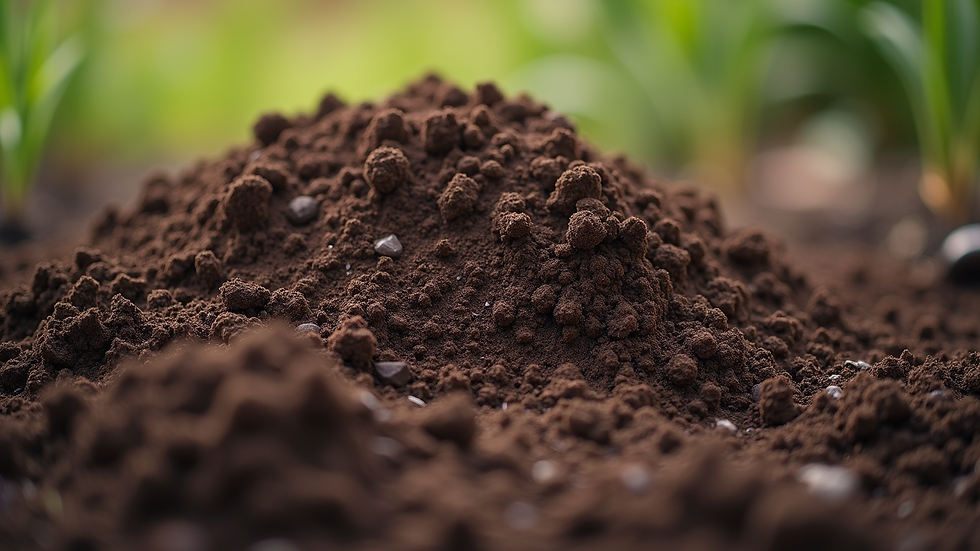
Understanding Eco-Friendly Fertilizers
Eco-friendly fertilizers are derived from natural sources and are designed to improve soil fertility without the harmful side effects associated with synthetic fertilizers. These fertilizers can be classified into several categories:
Organic fertilizers: Made from plant or animal matter, such as manure, compost, and bone meal.
Green manures: Cover crops that are grown specifically to be tilled back into the soil to improve its organic matter content.
Biofertilizers: Contain living microorganisms that enhance the availability of nutrients to plants.
Benefits of Eco-Friendly Fertilizers
Improved Soil Health: Eco-friendly fertilizers enhance the microbial activity in the soil, leading to better nutrient absorption and soil structure.
Reduced Chemical Runoff: By using natural fertilizers, farmers can minimize the risk of chemical runoff into nearby water bodies, protecting aquatic ecosystems.
Sustainable Crop Production: These fertilizers contribute to long-term soil fertility, ensuring that farming can continue sustainably for generations.
Lower Carbon Footprint: Many eco-friendly fertilizers have a lower carbon footprint compared to their synthetic counterparts, contributing to climate change mitigation.
Types of Eco-Friendly Fertilizers
Organic Fertilizers
Organic fertilizers are derived from natural sources and are rich in nutrients. Some common types include:
Compost: Decomposed organic matter that enriches soil with nutrients and improves its structure.
Manure: Animal waste that provides essential nutrients like nitrogen, phosphorus, and potassium.
Bone Meal: A slow-release fertilizer made from crushed animal bones, rich in phosphorus.
Green Manures
Green manures are cover crops that are grown to improve soil health. They are typically tilled back into the soil before they flower. Some popular green manure crops include:
Clover: Fixes nitrogen in the soil, improving fertility.
Vetch: A legume that enhances soil structure and nutrient content.
Rye: Helps prevent soil erosion and suppresses weeds.
Biofertilizers
Biofertilizers contain living microorganisms that promote plant growth by enhancing nutrient availability. Examples include:
Rhizobium: A bacteria that forms symbiotic relationships with legumes, fixing atmospheric nitrogen.
Mycorrhizal fungi: These fungi improve nutrient uptake, particularly phosphorus, and enhance plant resilience to stress.
How to Use Eco-Friendly Fertilizers
Application Techniques
Soil Testing: Before applying any fertilizer, conduct a soil test to determine nutrient deficiencies and pH levels.
Timing: Apply fertilizers at the right time, such as during planting or when plants are actively growing, to maximize effectiveness.
Method of Application:
Broadcasting: Spreading fertilizer evenly over the soil surface.
Incorporation: Mixing fertilizer into the soil to enhance nutrient availability.
Foliar Feeding: Spraying liquid fertilizers directly onto plant leaves for quick nutrient absorption.
Dosage and Frequency
Follow recommended application rates based on soil tests and crop requirements.
Monitor plant growth and adjust fertilizer applications as needed throughout the growing season.
Case Studies: Successful Implementation of Eco-Friendly Fertilizers
Case Study 1: Organic Vegetable Farm
An organic vegetable farm in California transitioned from synthetic fertilizers to organic compost and green manures. Over three years, the farm reported:
A 30% increase in crop yields.
Improved soil structure and water retention.
Enhanced biodiversity in the soil ecosystem.
Case Study 2: Small-Scale Coffee Farmers
In Colombia, small-scale coffee farmers adopted biofertilizers, specifically mycorrhizal fungi, to improve coffee plant health. The results included:
A 25% increase in coffee bean production.
Reduced dependency on chemical fertilizers.
Improved resilience against pests and diseases.
Challenges and Considerations
While eco-friendly fertilizers offer numerous benefits, there are challenges to consider:
Cost: Organic fertilizers can be more expensive than synthetic options, which may deter some farmers.
Availability: Sourcing high-quality organic fertilizers can be challenging in certain regions.
Knowledge Gap: Farmers may require training to effectively implement eco-friendly practices.
Future of Eco-Friendly Fertilizers
The future of eco-friendly fertilizers looks promising as research and innovation continue to evolve. Key trends include:
Microbial Solutions: Advances in biofertilizers that utilize specific strains of bacteria and fungi to enhance nutrient uptake.
Waste Recycling: Utilizing agricultural and food waste to create nutrient-rich fertilizers, reducing landfill waste.
Precision Agriculture: Technology that allows for targeted fertilizer application, minimizing waste and maximizing efficiency.
Conclusion
Eco-friendly fertilizers are not just a trend; they are a vital component of sustainable farming practices. By improving soil health, reducing environmental impact, and supporting long-term agricultural success, these fertilizers pave the way for a greener future. Farmers looking to adopt sustainable practices should consider integrating eco-friendly fertilizers into their farming systems. The journey toward sustainable farming success begins with the choices we make today.
As you explore the world of eco-friendly fertilizers, remember that every small step counts. Whether you are a seasoned farmer or just starting, embracing these practices can lead to a healthier planet and a more sustainable agricultural future.


Comments